
by Elise Tegegne
In Praise of Fallow Fields: How Fallow Seasons Nourish a Creative Life
by Elise Tegegne
It feels audacious to say, but I no longer struggle with writer’s block.
In fact, the essay and poem ideas jotted in my pocket-sized Moleskine brim so full, I lack the time to enflesh them. Why this intense fertility of thought? I sometimes wonder.
It could be my voracious reading habits. Or perhaps it’s all those writing hours constrained to my son’s naptimes and the occasional Saturday afternoon. Maybe it’s pure grace.
Lately, I’ve wondered if it also has to do with letting the fields lie fallow.
It seems counterproductive to leave profitable fields unplanted and uncultivated, to let them simply be. From what our limited vision can perceive, rest seems a prodigal waste. The land, often abundant in soy, corn, and wheat, nourishing bodies across the world, now lies useless—dead.
Wise farmers say otherwise. An article in Modern Agriculture describes farms in British Columbia where valuable fields lie fallow, sometimes for four or more years: “Local research has shown that growing these crops continually, year after year, can deplete soil nutrients [and] . . . may also lead to degradation of soil structure.” [1]
Rested fields, on the other hand, rouse the local habitat: the burrowing owl, microbats, and mottled duskywing. Hidden life appears.
Pause and rest allow a world to awaken.
To be honest, rest in my creative life is something I tend to resist. Like many creatives, I cannot afford to consecrate the bread and butter of the day to my craft. As a former full-time teacher and now a full-time mom, my writing hours have been confined to strict margins for all of my professional life. How could I possibly give up those precious few minutes engaging in what I feel deeply called to do?
But letting the fields lie fallow roots in God’s heart.
Out of great love for His chosen people, out of tenderness toward His creation, out of an intense care for each detail of creaturely life, God instituted fallow years:
But in the seventh year there shall be a Sabbath of solemn rest for the land, a Sabbath to the LORD. You shall not sow your field or prune your vineyard. [2]
Thousands of years before science proved the reasons why, the Israelites let their fields lie dormant, an unusual practice in the ancient world.
Jews call the fallow year Shemittah, “release.”
Release the dependence on self—one’s ability to carve a way in the world with wiles and moxie and talent.
Release the control of provision. God is the one who places bread in bowls, wine in glasses.
Release results. God is the one who does the hidden, often silent work of bringing written words to the hearts that need them most.
God is the one who breathes on seeds and grows saplings into oaks, whose branches bear nestlings and havens. [3]
While I haven’t yet been able to set aside a whole year of sabbatical from my creative work, the heart behind the practice remains applicable. Ever since I started taking writing seriously after completing my MFA and birthing my son, I began habits of letting my creative fields lie fallow for intentional but limited periods.
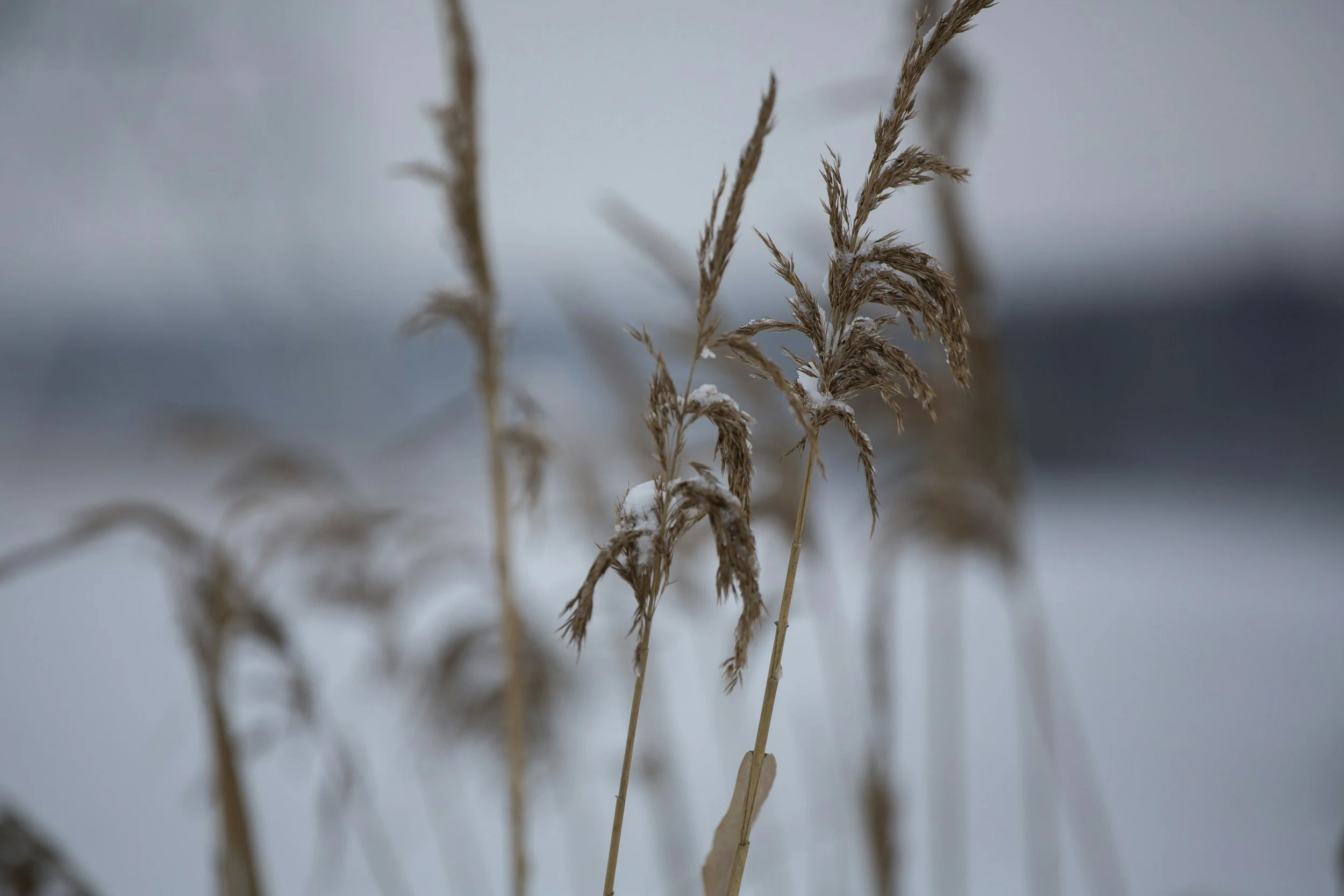
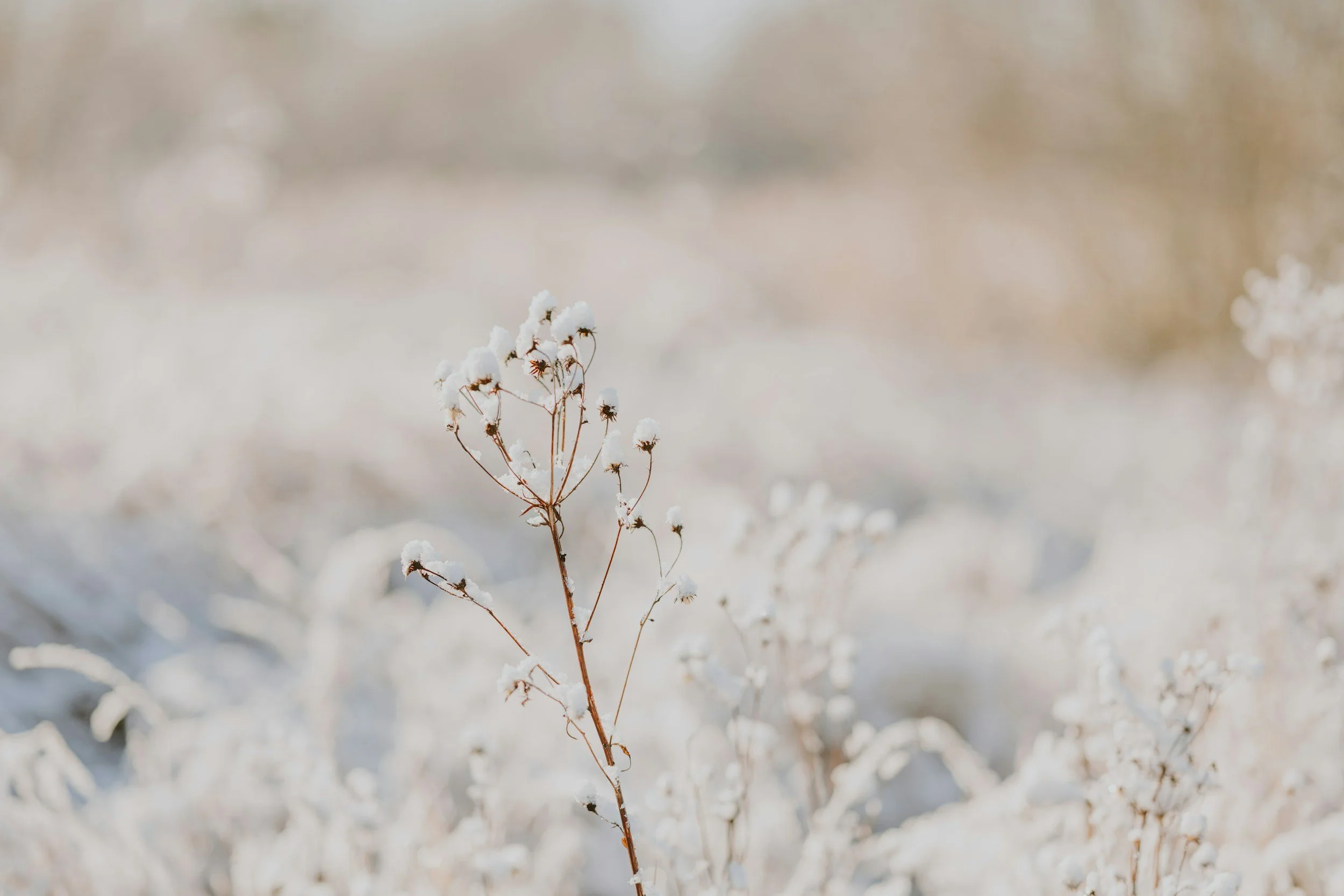
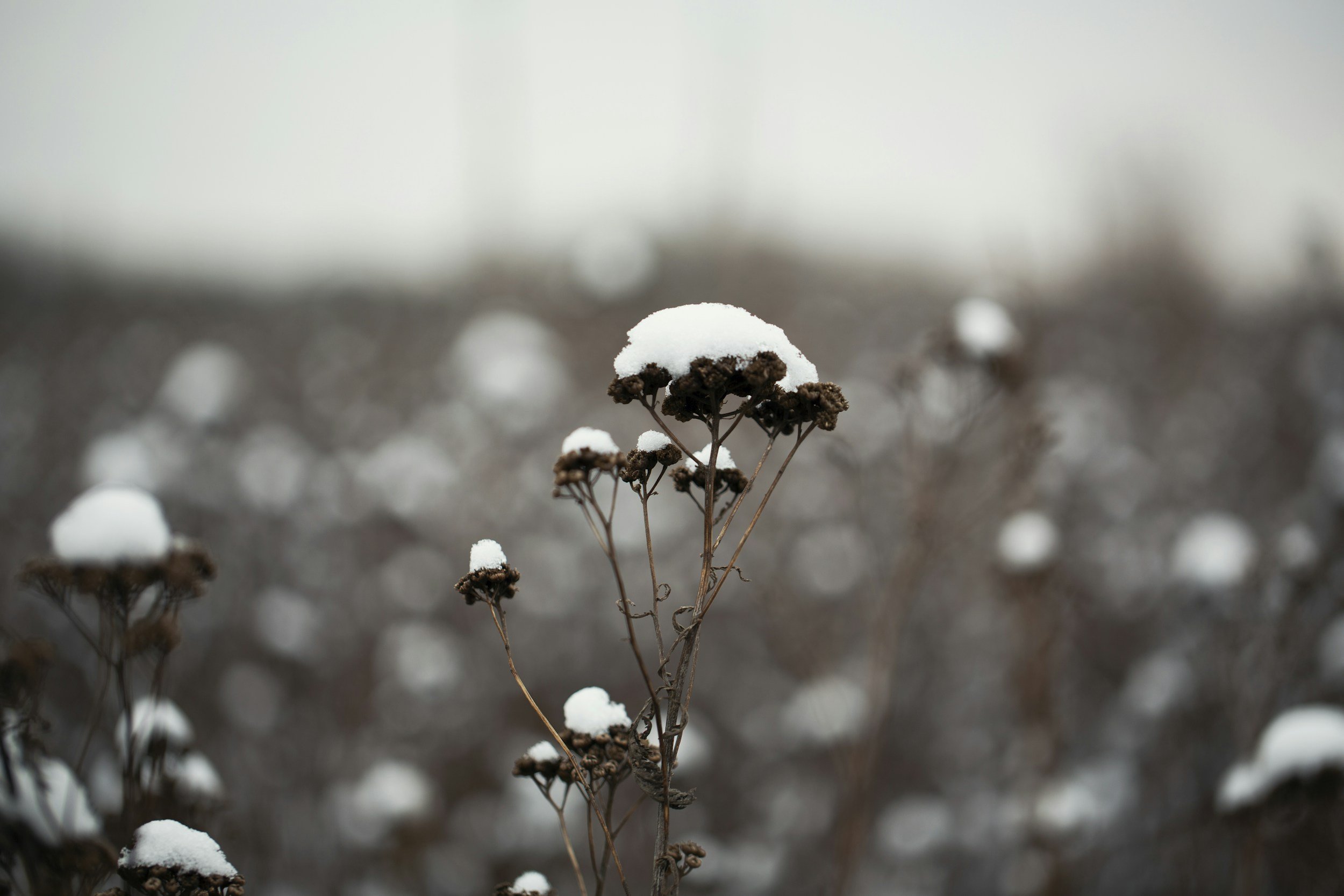
For me, this means taking weekly Sabbaths and annual winters off from writing for publication. While blank fields crust in ice, while the old bones of stem and vine molder in the garden, while the bears burrow and the dormice slumber, my productive writing life hibernates, too.
Passing the snow-hushed days with a rhythm of rest seems fitting.
During these times, I take the hour normally dedicated to writing and devour the words of great poets and novelists, contemplatives, and theologians. I journal words that will never earn acclaim, lying hidden between closed covers. I nap.
While I am imperfect in keeping these seasons and recognize that sometimes the Spirit moves, calling for flexibility, the rhythm of rest remains an essential part of my creative process.
What I have found, come springtime, is a flourishing of new ideas for essays and a renewed strength for birthing them onto the page. In ways I cannot fathom, in the dark soil of my mind and spirit, connections root together, seeds for stories germinate, wonderful and otherworldly saplings appear.
My God-given love for the act of creation reawakens.
However fruitful rest proves, I wrestle feelings that tell me otherwise. Anxiety incites me to pick up the pace, submit more, and post more in a vain struggle for influence and impact. My inner taskmaster demands a ceaseless productivity that soon diminishes as energy depletes and creative soil degrades to the point, in extreme cases, of barrenness.
In the 1930s, after generations of continual over plowing, dust storms blew away one hundred million acres of the American Great Plains. These “black blizzards” darkened the sun, sometimes for days. Farmers, who for decades had refused rest, were forced to cancel work, and with them, the teachers adding sums, mothers chopping onions, and toddlers spooning applesauce.
After the winds quieted, residents were left to clear the dust drifts with shovels. [4]
After completing my MFA in creative writing, I found myself creatively exhausted. For three years, I had been submitting 90-120 pages of polished work per semester, in addition to reading about a book a week and engaging in two intensive in-person residences a year. This was on top of my 45-50 hour work week teaching high school French.
To squeeze more words onto the pages I submitted, I reduced the margins. My wise mentor wondered if perhaps the modified format revealed something about my life.
After graduation, I couldn’t bring myself to write for nearly a year. Drawing words from inside myself felt like trying to eke fruit from dust drifts. And yet, at the end of that barren year, God gave me an essay idea that inspired my first published book.
One of my favorite stories in Scripture is Jesus’s visit to sisters Mary and Martha. [5] A woman of faith, [6] Martha welcomes Jesus into her home and serves dutifully. If she hosts like I do, I imagine her whirring about the kitchen like a dragonfly. If she were a writer, she might define productivity by the number of words she’d written, articles published, or comments garnered.
But Mary sits at Jesus’ feet and listens.
How irresponsible and lazy it feels to stop producing, creating, doing. Being still means neglecting a thousand other tasks, blinking for attention. Resting leaves dishes undone and texts unanswered and articles unwritten.
Fallow fields do not fill baskets and bellies with bread.
And yet, it is the stillness, not the bluster of serving, that Jesus lauds. It is the listening, not the production of words, that Jesus commends: “Martha, Martha, you are anxious and troubled about many things, Jesus tells her. But one thing is necessary.” [7]
One.
Outside my window, garden beds hide under sheets of snow. The hostas have dwindled to ghastly stalks. The denuded trees stand silent. And yet, would you believe these mysterious beings are not dead, but only sleeping?
Hidden in the blank branches, buds await.
Beyond what the eye can see, resting roots slowly gather strength to pierce through the dark soil, verdant, new, and gloriously reawakened.
1. Pederson, Cate. “The Fallow Fields.” Modern Agriculture. December/6/2015. December/19/2024.
https://modernagriculture.ca/research/fallow-fields.
2. Leviticus 25:4
3. Matthew 13:31-32
4. History.com Editors. “Dust Bowl.” History. April/24/2023. December/19/2024.
https://www.history.com/topics/great-depression/dust-bowl.
5. Luke 10:38-42
6. John 11:21-22, 27
7. Luke 10:41-2, ESV
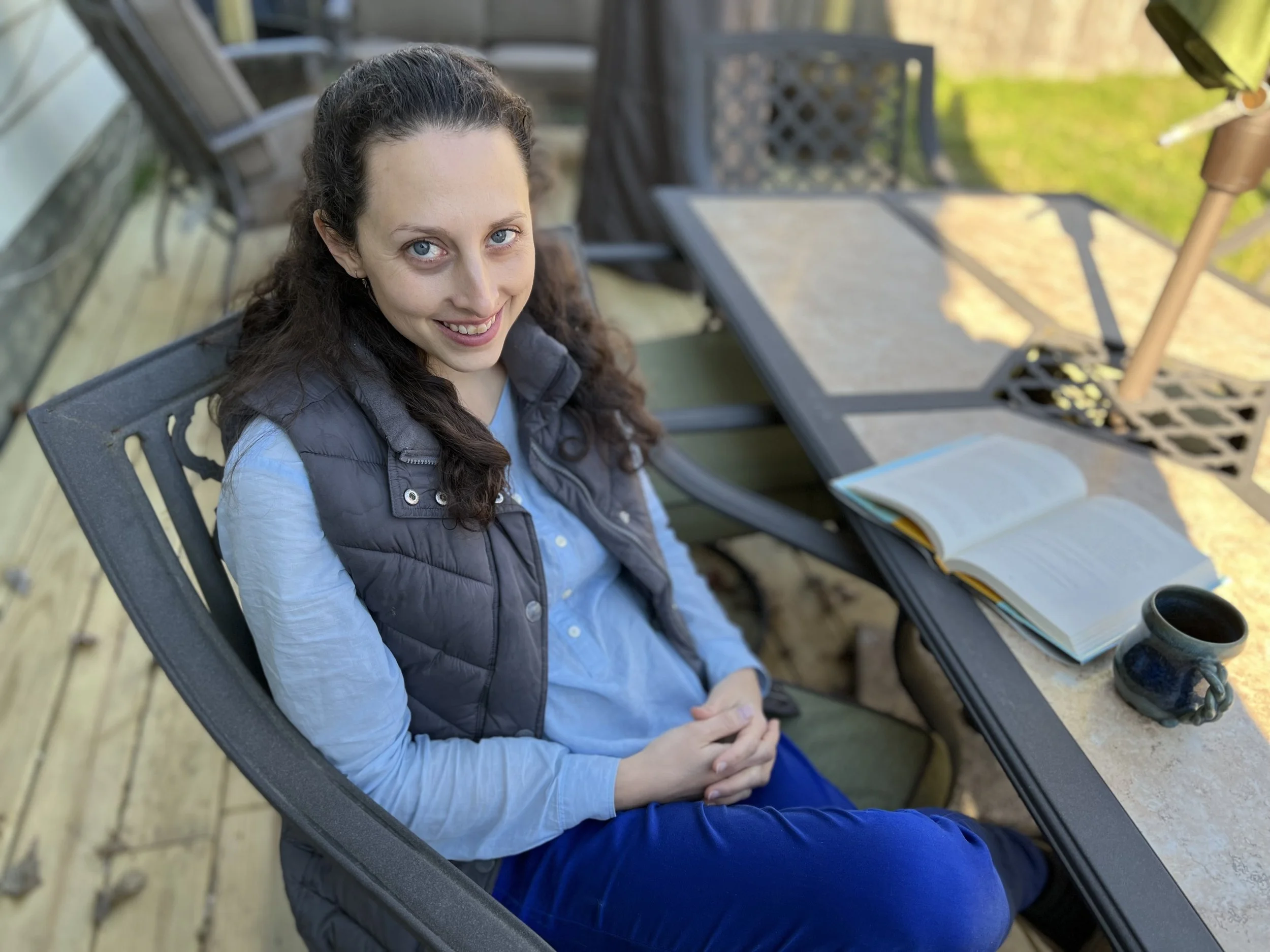
ELISE TEGEGNE
Elise completed her MFA in creative writing at Seattle Pacific University in March 2019. Her essays and articles have appeared in Christianity Today’s Ekstasis, (in)courage, Risen Motherhood, Plough, The Windhover, Dappled Things’ blog, Eclectica Magazine, and Fathom, among others.
She also writes a monthly blog inspired by her book called In Praise of Houseflies, which encourages readers to cultivate eyes for the divine in their own daily difficulties. Her new release, In Praise of Houseflies: Meditations on the Gifts in Everyday Quandaries (Calla Press), is now available wherever books are sold.
After teaching for four years at a mission school in Ethiopia, she now lives in Indianapolis with her husband and four-year-old son.
You can read more of her work on her website here.