
by Samuel Gregg
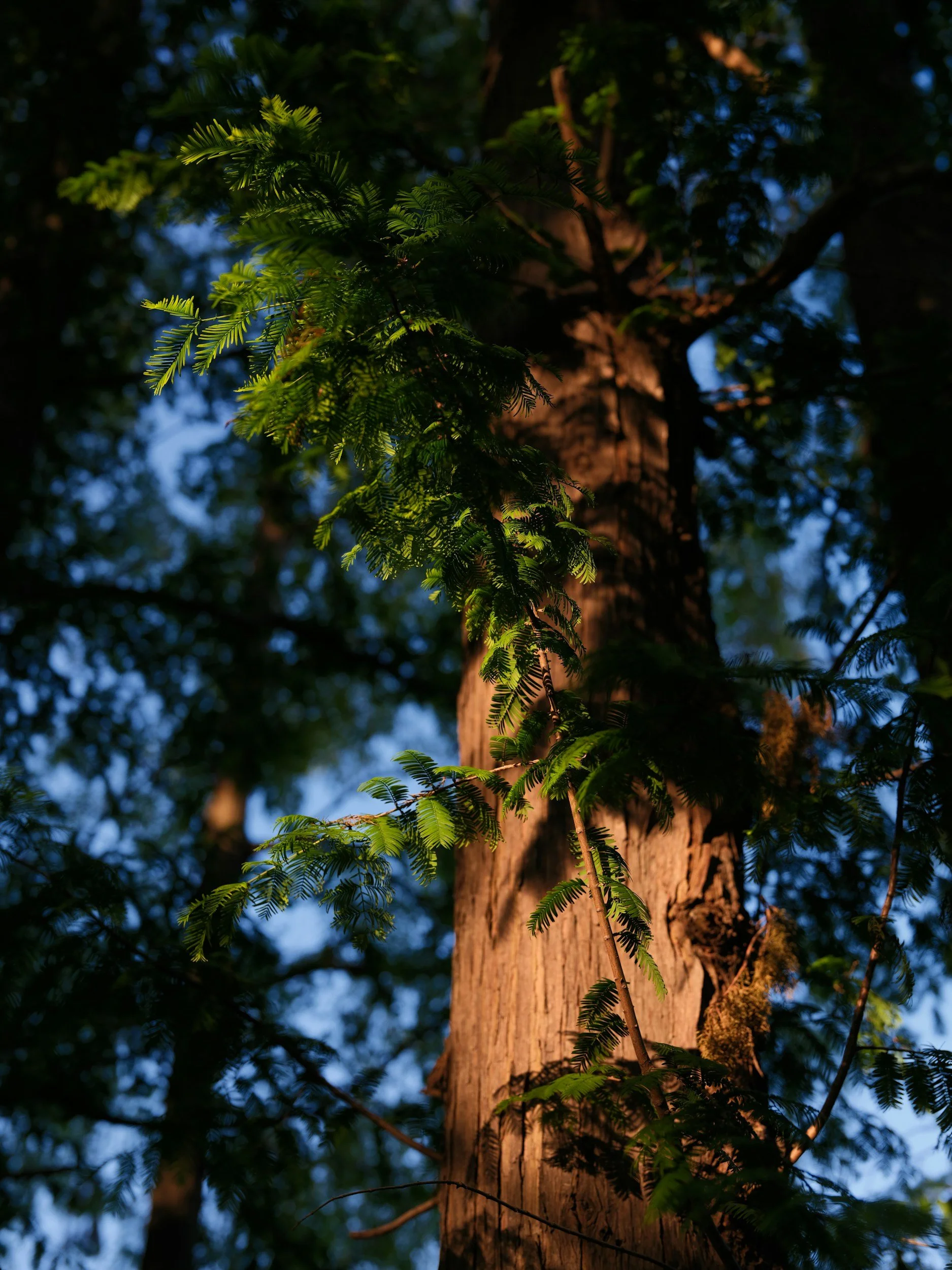
REDWOODS
(Jeremiah 17:1-18)
There are the Druidic trees that knot and bend
and coax us into mystic shadows of sleep;
there are the desert shrubs, wind-torn houses
of sun-scorched, blood-hungry ticks;
But here is the majestic throng, noble thanes
worthy of the mountain they defend.
Their tops tower through clouds
to lands of other giants,
each spire the core of its own cosmos:
Epiphytes cling to the trunk
flossing tendrils through the hairy bark,
and the wandering salamander scales the trunk,
leaps and wriggles along the limbs;
this is the only world they know,
this heaven of fog and foliage.
Below the cloudy tier, sunlight mazes
through the canopy, illuminating
the wet breath
that rises from fern-feeding soil—
mulchy forest floor fueling life with life.
Perennial petrichor salted by distant seas
spritzes the stillness.
Imagine
the invisible roots that clutch
into that underworld,
sucking humus, splitting rocks,
and interlocking appendages
in symbiotic support,
the subterranean dance
That grounds capacious worlds.
Let us aspire to live in line with the redwood roods
till like the lungless salamander we inhale
the misty air through skin.
CRATER LAKE CHIASM
Burnt limbs raise pleas
from ash-blanched trunks,
and mountain crags kneel,
bracing against gusts
that rush into the airy
cavitary lesion
as the mind careens down
the cliffside into the drink.
This brief pilgrim who came for a view
met instead the unfathomable presence
that fills that void,
hides in those depths,
and breathes in and about
the theophanic space
of this Florentine cathedral—
green, pink, and pearl-white
marble sprouting fresh foliage
for a renewed faith.

SAMUEL GREGG
Samuel Gregg lives in Ephrata, WA, where he teaches theology, choir, and the great works at a classical Christian school. His graduate work at Portland State University focused on liturgical forms in British Modernist poetry. His own poetry often echoes the language of liturgy as he writes about prayer, literature, and wildflowers. More of his work is published or forthcoming with Solum Literary Press, The Society of Classical Poets, and The Penwood Review.