
by Sarah K. Butterfield
THE ONLY SOIL THAT HOLDS
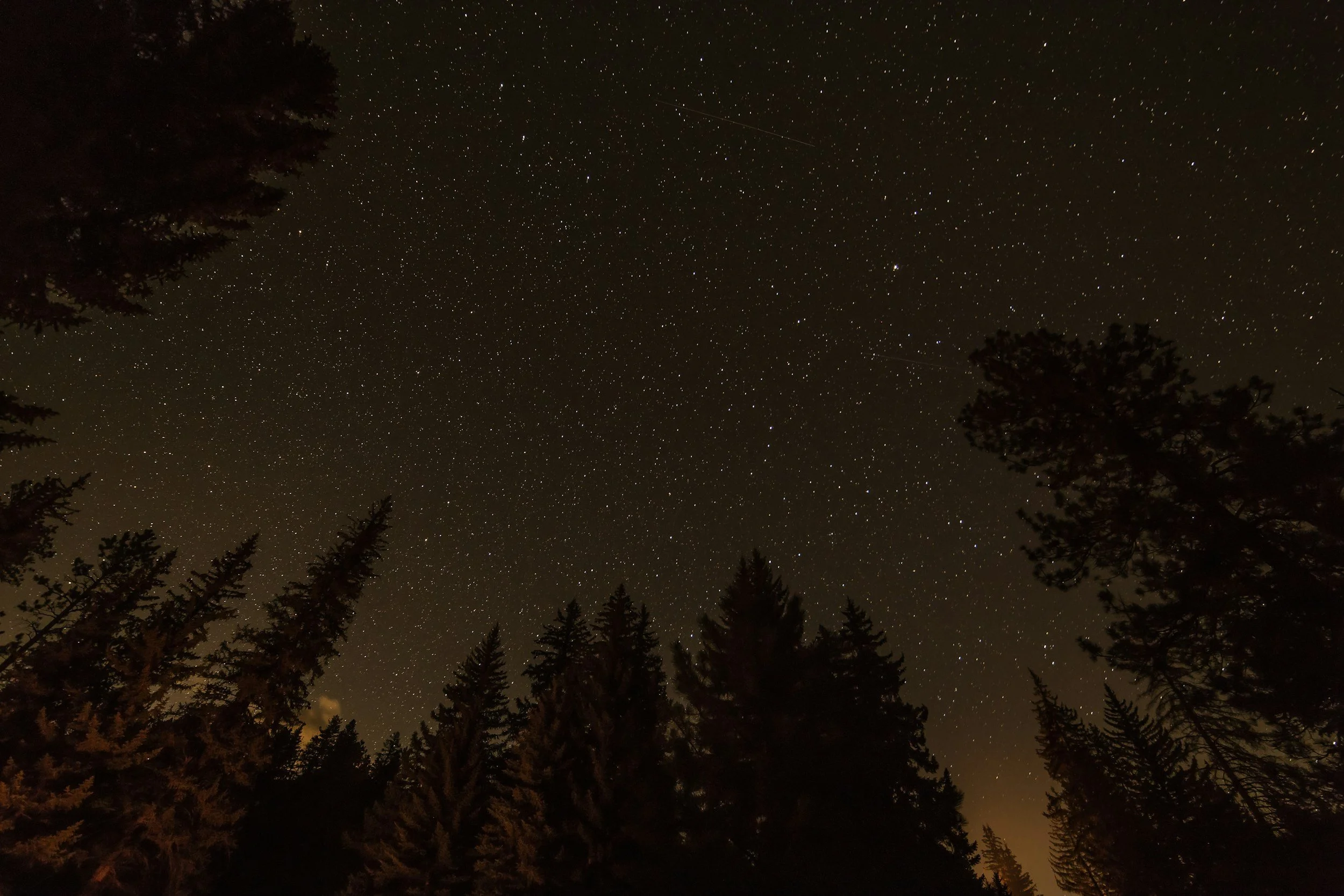
It was the seventeenth shooting star of the night, and I’d grown convinced this particular patch of sky was welcoming me home. From my vantage point—laying on top of a blanket and wedged between two friends—I could just make out the tips of the Scots pine trees against the dark night. The pinpricks of light and the dazzling trails behind the meteors seemed to me a celestial celebration of my return.
It was the summer before my senior year at a boarding school for missionary kids, nestled in the hills of the Black Forest in Germany. Coming to this English-speaking school was a dream of mine. I’d grown tired of feeling like a cultural misfit in the French public schools I’d attended while my parents served in local churches. Although I was fluent, I was too American to fit in. But when we spent time in the States, I was too French. I was suspended between two cultures I couldn’t claim as my own. I was lost, perpetually misunderstood, culturally homeless.
All that changed when I stepped onto the campus of my new boarding school in ninth grade. Suddenly, I was surrounded by 200 other kids whose parents served around the world, who knew exactly what it was like to be caught between cultural identities. We were misfits together, creating our own soul-language of inside jokes, establishing our own customs and traditions unique to the missionary kid experience.
After two glorious years savoring the taste of belonging, it was with much sorrow that I followed my parents back to their home in California for the entirety of my junior year. While they visited their supporting churches, I was stuck in a sprawling high school, surrounded by 2,500 kids who already had their own friends. I may have looked and sounded just like them, but these students felt deeply foreign to me. Without any real understanding of American teenage culture, I was intimidated, lonely, and anxious most of the time.
When the countdown was over, and I was back among the quaint streets and half-timbered houses of my little German village, my soul could finally exhale.
Reuniting with friends was my top priority, which is how we found ourselves camping in the hills of the Black Forest a week before school started. That night of the shooting stars, we knew how lucky we were to be surrounded by people we loved in a place that we loved, even as we knew this was our last year together before we all split our separate ways for colleges across the U.S.
I wanted to hold on to this moment and live in it forever. I took my hands out of my sleeping bag and pressed them flat against the loamy earth. I pressed each of my fingertips into the soil, wishing I could push deep enough to entangle myself with the roots of the pine trees, becoming one of them, eternally part of the landscape. My yearning was strong enough to taste but not enough to stop time.
For me, identity and belonging were intricately tied to place, which made my eventual departure feel like a violent tearing deep in my soul. Because anytime we plant ourselves in the unstable soil of our circumstances, we’ll only bloom conditionally, and those blooms will be fragile.
As I’ve grown older, I’ve noticed that the winds of change never stop blowing. I won’t always have the job title I love. My kids won’t always be living under my roof. If I live long enough, my health will inevitably decline. Clinging to my roles, abilities, and even my relationships as proof of my identity and belonging will leave me adrift with restlessness when change inevitably comes.
When all that is stripped away, the truth remains: I am a beloved child of God. “See how very much our Father loves us, for he calls us his children, and that is what we are!” (1 John 3:1a, NLT)
I want this truth to become embedded deep inside of me, making its way out into my hands and feet, bearing blooms for all to see. Theologian Henri Nouwen put it this way: “Becoming the Beloved means letting the truth of our Belovedness become enfleshed in everything we think, say, or do.”
Claiming my own belovedness in Christ allows me to see your belovedness, to acknowledge that each of us is beloved and precious in God’s sight. This is the basis for the kind of Christ-like confidence that allows us to act with compassion, to pursue justice, and to show mercy.
Our best hope for a flourishing life is to plant ourselves in the unchanging soil of God’s love. If I could pay a visit to the young girl I used to be, I’d take her up the winding forest trail to the war monument that overlooks the little German village. We would sweep our eyes over the rooftops, the stork nest on the spire of the church, the stone fountain in the village square. I would promise her that belonging is always her blessed reality when she’s rooted in a Person, not a place. I would remind her: Wherever you go, whatever you do, whoever you’re with—you are a deeply loved child of God.
SARAH K. BUTTERFIELD
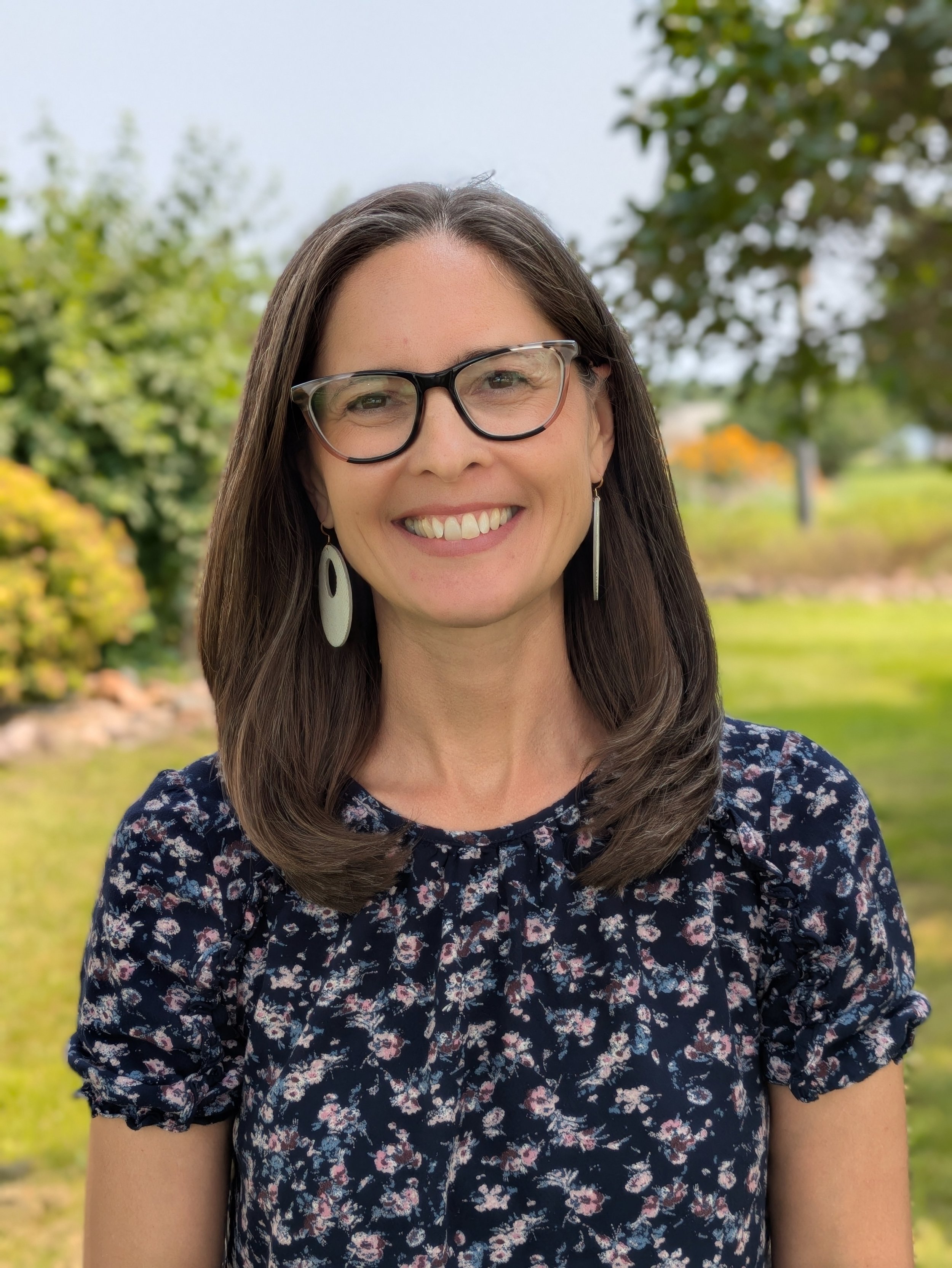
Sarah K. Butterfield is the author of Theology on Purpose: A Woman’s Guide to Owning Her Faith (Our Daily Bread, 2027). In her role as a writer, a speaker, and the Director of Women, Children, and Family Ministry for her church, she has a heart for empowering women to grow deeper in their faith and know God more intimately. As part of this mission, Sarah hosts the “Theology on Purpose” podcast, as well as writes regularly for her own website. She and her husband and two boys live in San Diego.